
Reforestation
Strategic replanting stabilizes soil, restores ecological function, and reduces flood and landslide vulnerability after severe storm damage.

Flagship project
A hurricane forecasting and resilience program combining reforestation, sensor networks, AI modeling, field verification, and infrastructure protection.
The problem
Hurricane impacts can leave communities facing deforestation, unstable soils, flood exposure, landslide risk, damaged power corridors, blocked roads, and compromised watersheds.
An integrated cyber-hydro platform that connects ecological restoration, distributed sensors, marine and atmospheric data, AI forecasting, and accountable project finance into one early-warning program.
System components
Strategic replanting stabilizes soil, restores ecological function, and reduces flood and landslide vulnerability after severe storm damage.

Weather, water, and soil stability sensors provide real-time data that can be used for local alerts and operational decisions.

Cyber-physical data streams feed models that support earlier hurricane impact forecasts and infrastructure risk warnings.
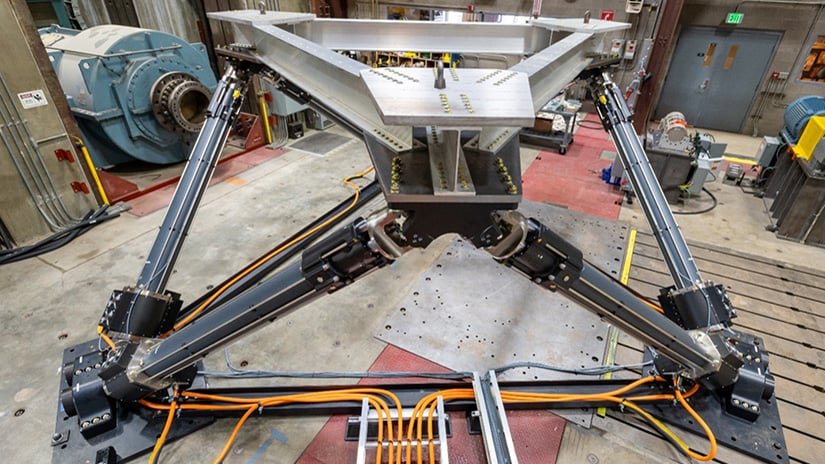
The system is structured to protect roads, power lines, watersheds, ports, and coastal assets before storm impacts become irreversible.
Field verification
Site visits support tree-planting inspection, sensor deployment verification, engineering coordination, local official meetings, contract finalization, and environmental and funding compliance.
Operational hub
Low direct hurricane exposure helps the team maintain operations when coastal regions are under stress.
I-10 access and Mexican Gulf port connectivity support equipment and technical movement.
UTEP engineering programs, regional technical talent, and lower operating costs strengthen deployment planning.
Funding pathways
Potential pathways include NOAA OAR, FEMA BRIC, NSF Cyber-Physical Systems, and U.S.-Mexico environmental initiatives.
Target collaborators may include UTEP, Scripps Institution, Lockheed Martin, IBM, CICESE, and CONAGUA.
Technology CSR programs such as Google AI for Social Good and Microsoft AI for Earth may align with the resilience and responsible AI mission.